

share to:


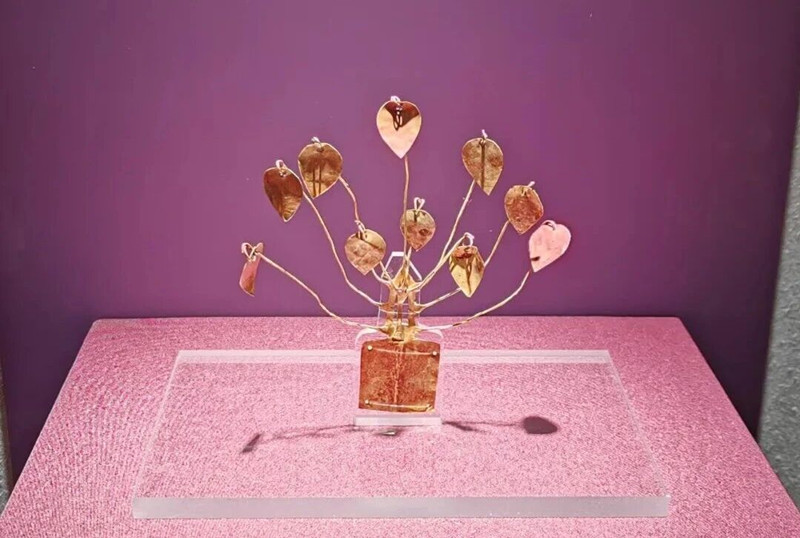
A gold, tree-shaped headdress from the Former Yan period is on display at the Shenzhen Museum’s Ancient Art Division. Photos by Cao Zhen unless otherwise stated
On one side, a gold, tree-shaped headdress, with delicate leaves trembling with every step, was designed to catch the light and rustle in the wind.
On the other, a suit of iron armor: cold, crushing, was built to absorb the impact of lances and arrows.
Both were made by the same people 1,600 years ago — the Murong Xianbei.
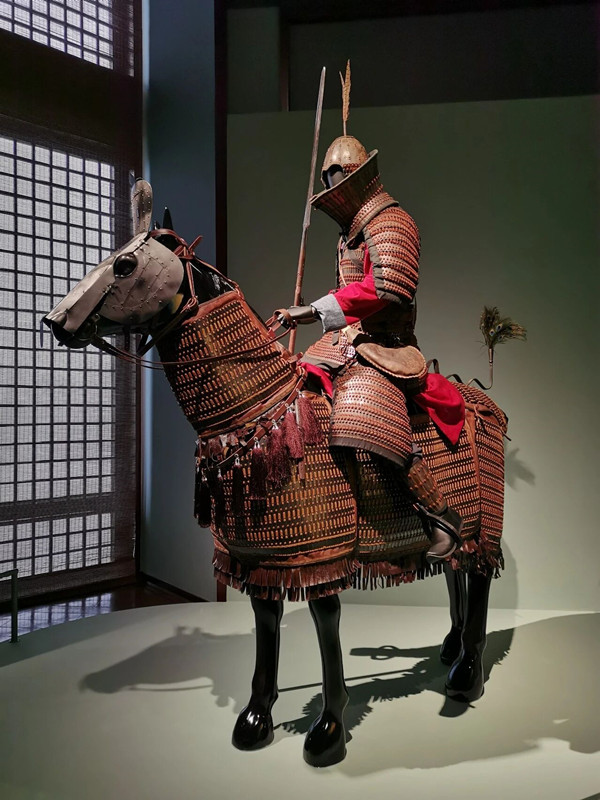
A restored set of cataphract armor for both rider and horse is on display.
A new exhibition at the Shenzhen Museum’s Ancient Art Division is showcasing 157 sets of treasures from the Xianbei culture, bringing the world of the Murong Xianbei to Shenzhen. Come see how the ultimate lifestyle of 1,600 years ago was both beautiful and battle-ready.
The Murong Xianbei were a tribe of the ancient nomadic Xianbei people. They founded the Former Yan (337-370) and Later Yan (384-407). A Han Chinese nobleman, Feng Ba, who had adopted Xianbei culture, seized power and established the Northern Yan (407-436).
Together, the three regimes — whose capital for much of their existence was Longcheng (today’s Chaoyang City, Liaoning Province) — are known as the Three Yan.
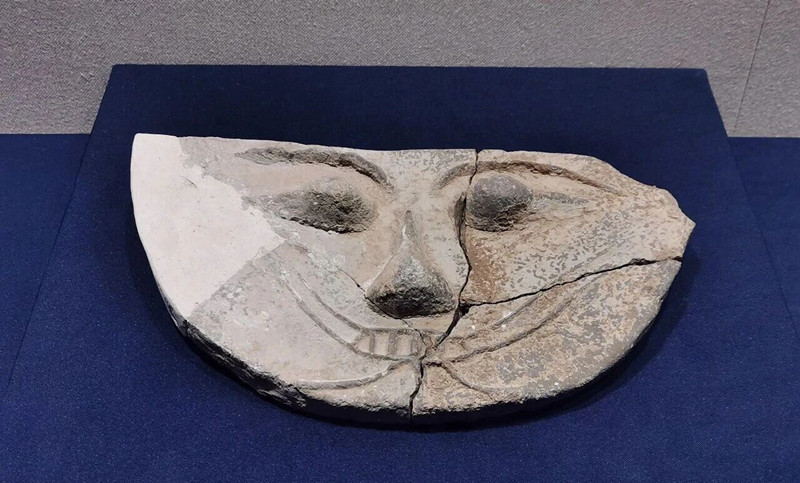
An eaves tile with a human-face design from the Former Yan period.
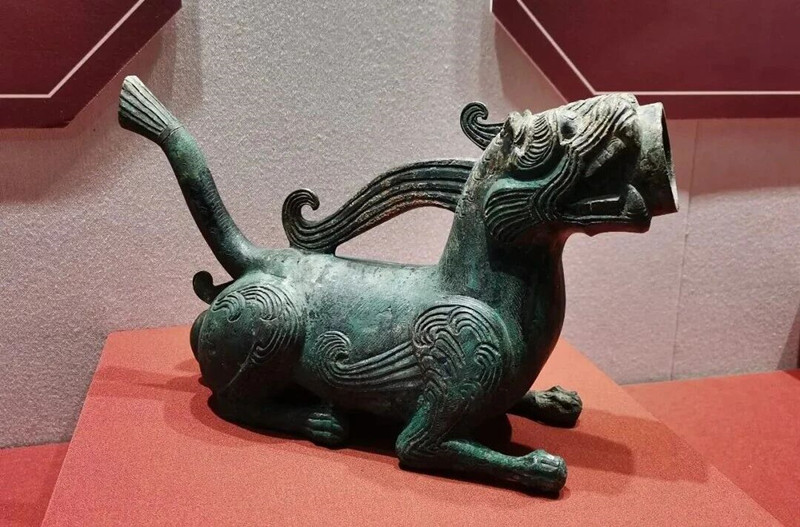
A tiger-shaped bronze vessel from the Northern Yan period.
The exhibition explores the migration, cultural fusion, wars, daily life, and clan history of the Three Yan. The 157 artifacts — made of gold, glass, bronze, iron, and pottery — trace nearly a century of Xianbei glory and nomadic life.
One highlight is a series of gold headdress ornaments featuring shimmering, swaying leaves, known as buyao (步摇), literally meaning “swaying with steps.” The leaf motif originated in Western Asia and was introduced to northern China via the Silk Road. Over time, it became a key feature of the Three Yan culture.
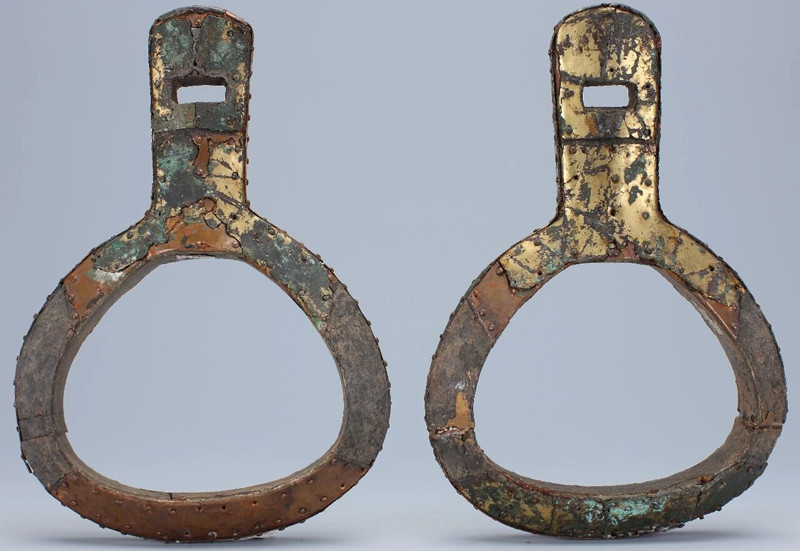
A pair of stirrups from the Northern Yan period. Photo courtesy of the exhibition organizers
Also on display are one of the earliest sets of stirrups with an absolute date — a revolutionary invention that transformed cavalry and warfare. With stirrups, early warriors could free both hands for combat. Crafted from finely worked wood and gilt bronze, the stirrups are considered masterpieces of Northern Yan gilded craftsmanship.
The exhibition further presents a restored set of cataphract armor for both rider and horse, offering a glimpse of the distinctive look and imposing spirit of China’s ancient heavy cavalry.
A hall displays mural copies that restore the spatial relationship between murals and tomb chambers, revealing the subtle interplay of space and painting in Chinese burial art.
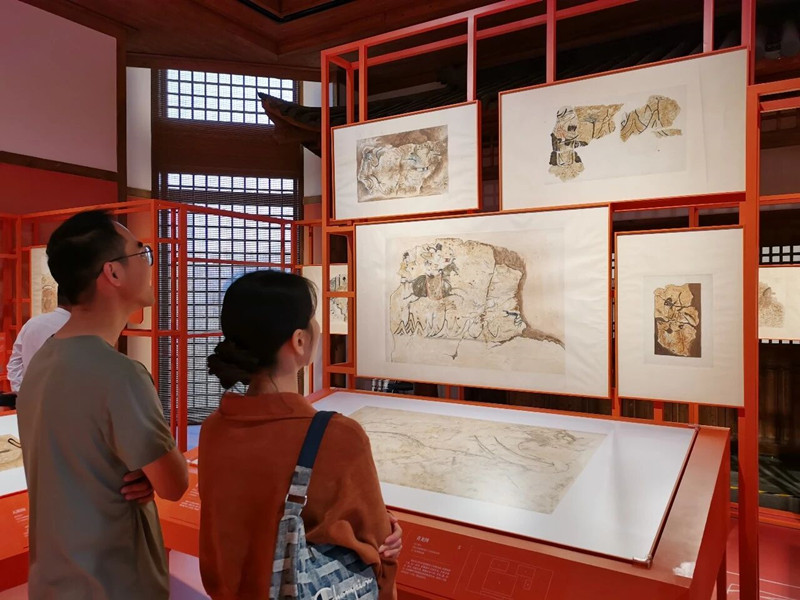
Visitors observe the mural copies.
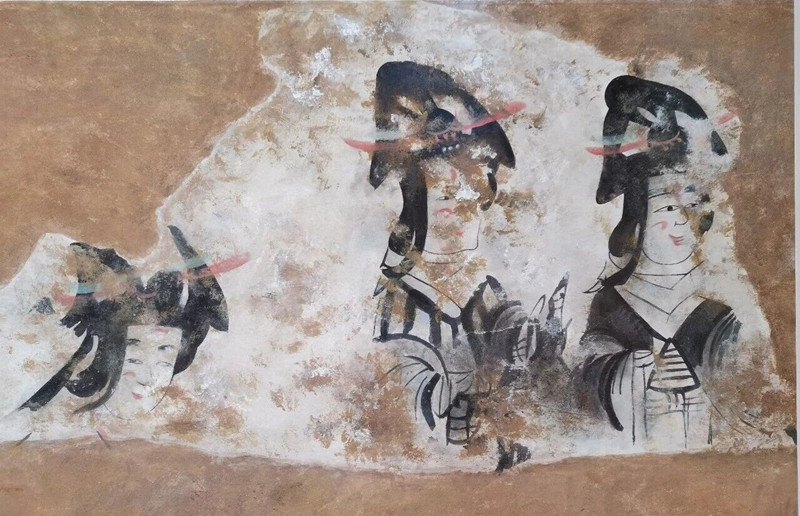
Part of a mural copy.
The Three Yan culture may be a lesser-known chapter of Chinese history — distant in time and remote in place — but this exhibition bridges that gap with hands-on interactives and jigsaw puzzles that invite visitors to piece together the story.
One especially thoughtful installation asks visitors: “Where do you come from?” It connects the Xianbei migration story with Shenzhen’s identity as a city of migrants. Visitors can pick a colorful thread, tie one end to the pin marking your birthplace on a map of China, and hook the other end onto the pin marking Shenzhen. Watch as countless colorful threads snake across the wall, mapping a nation of personal journeys.
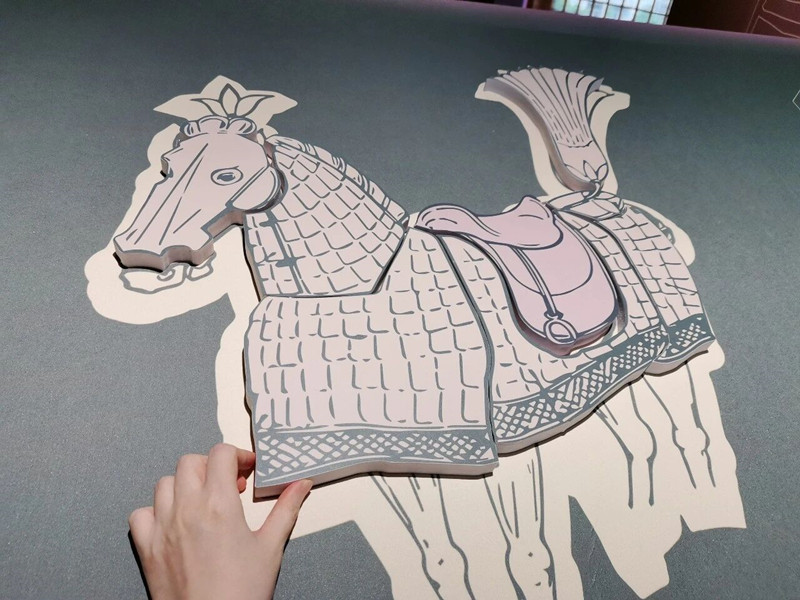
A jigsaw puzzle to piece together an armored horse.
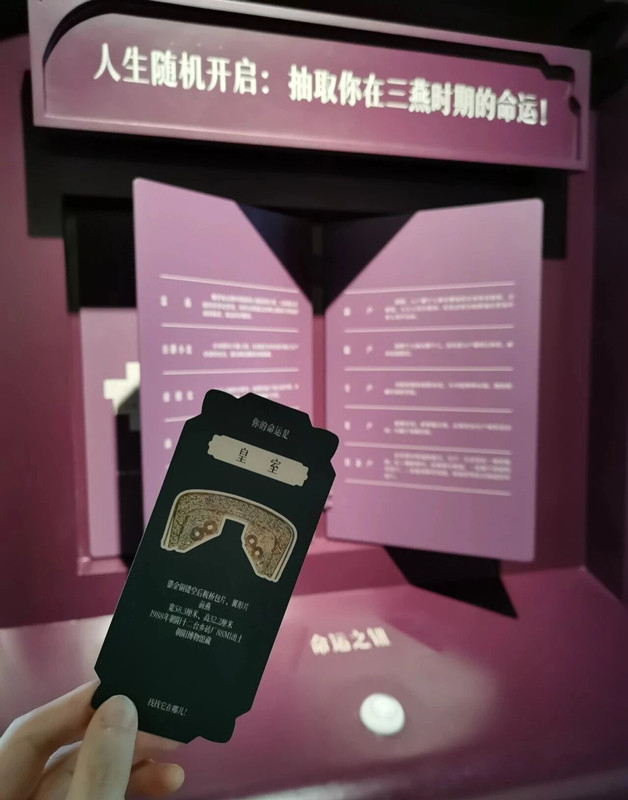
An installation introduces social class in the Three Yan period. Visitors press a button, and a card showing a randomly assigned status comes out.
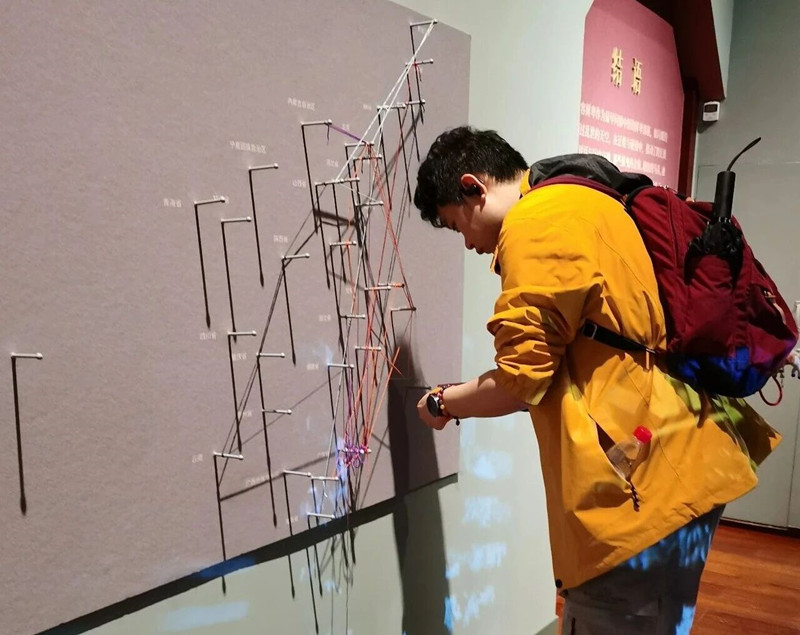
A visitor ties a thread to the pins marking his birthplace and Shenzhen on a map of China.
Dates: Through July 26
Hours: 10 a.m.-6 p.m., closed Mondays
Tickets: Free
Venue: Shenzhen Museum’s ancient art division, Tongxin Road, Futian District 深圳博物馆同心路馆(古代艺术)
Metro: Line 9 to Hongling South Station (红岭南站), Exit A
More exhibitions at Shenzhen Museum
‘Blossoms and Blades’
The popular “Blossoms and Blades: Treasures of the Mughal Court in 16-19 Centuries” exhibition has extended its run through May 5. Daggers and bracelets set with rubies, emeralds, and diamonds. Luminous rock crystal, intricately carved jade, and a gold coin as large as a plate. These are among the dazzling objects on display.
Dates: Through May 5
Tickets: 78 yuan (various discounts available)
Hours: 10 a.m.-6 p.m., closed Mondays
Booking: 智慧恒达
Venue: Shenzhen Museum’s history and folk culture division, Jintian Road, Futian District 深圳博物馆金田路馆(历史民俗)
Metro: Line 2 or 4 to Civic Center Station (市民中心站), Exit B
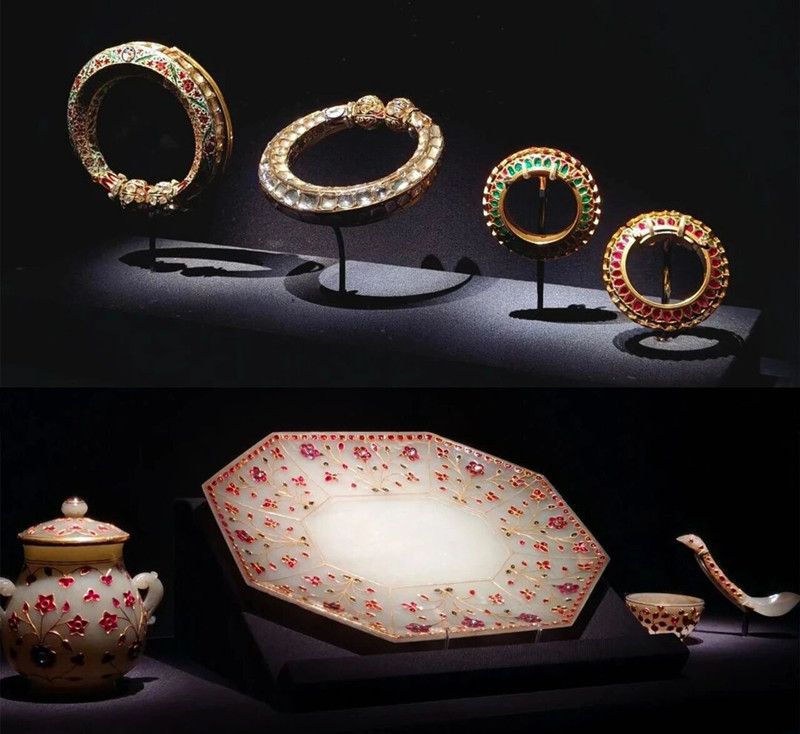
Exhibits at the “Blossoms and Blades” exhibition. Photos from Shenzhen Museum
‘Galloping Glory’
The “Galloping Glory” exhibition, extending through July, presents 60 exquisite Tang Dynasty (618-907) artifacts, including sancai (three-color) glazed horses and wares, as well as painted pottery horses and figurines. The exhibition examines the central role of horses in Tang military affairs, the economy, sport, and entertainment, allowing visitors to appreciate China’s equestrian heritage and its historical depth.
Dates: Through July
Hours: 10 a.m.-6 p.m., closed Mondays
Tickets: Free
Venue: Shenzhen Museum’s ancient art division, Tongxin Road, Futian District 深圳博物馆同心路馆(古代艺术)
Metro: Line 9 to Hongling South Station (红岭南站), Exit A
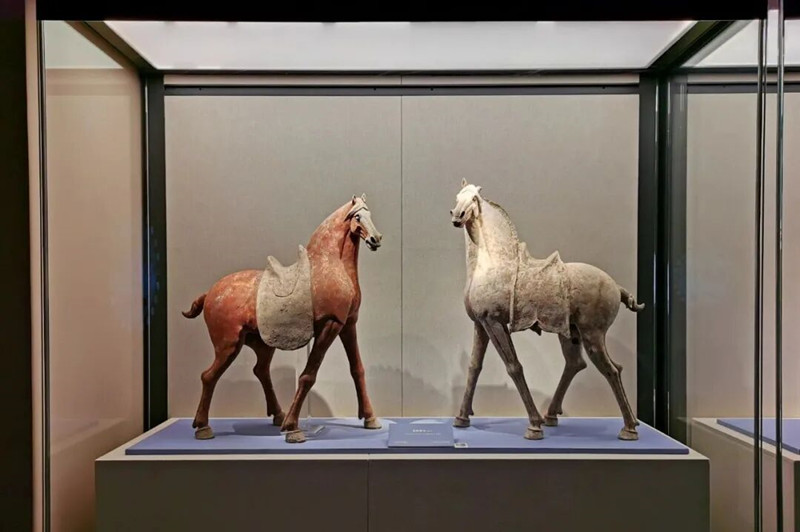
Painted pottery horses from the Tang Dynasty at the “Galloping Glory” exhibition.
‘Starry Splendor on Clay’
“Starry Splendor on Clay” is a permanent exhibition featuring more than 100 painted-pottery works from Shenzhen Museum’s own collection. The exhibition brings together recent archaeological research and highlights the Yangshao, Majiayao, Zongri, Kayue, Xindian cultures, and the regionally distinctive Xiantouling culture of Shenzhen.
Dates: Permanent
Hours: 10 a.m.-6 p.m., closed Mondays
Tickets: Free
Venue: Shenzhen Museum’s ancient art division, Tongxin Road, Futian District 深圳博物馆同心路馆(古代艺术)
Metro: Line 9 to Hongling South Station (红岭南站), Exit A
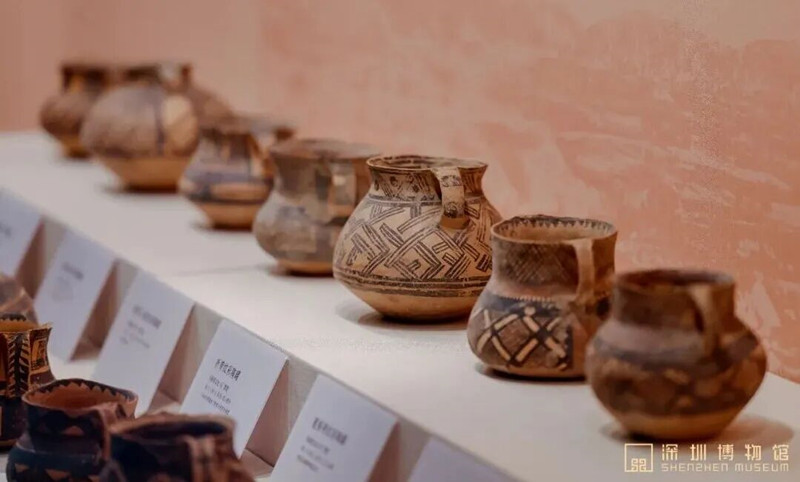
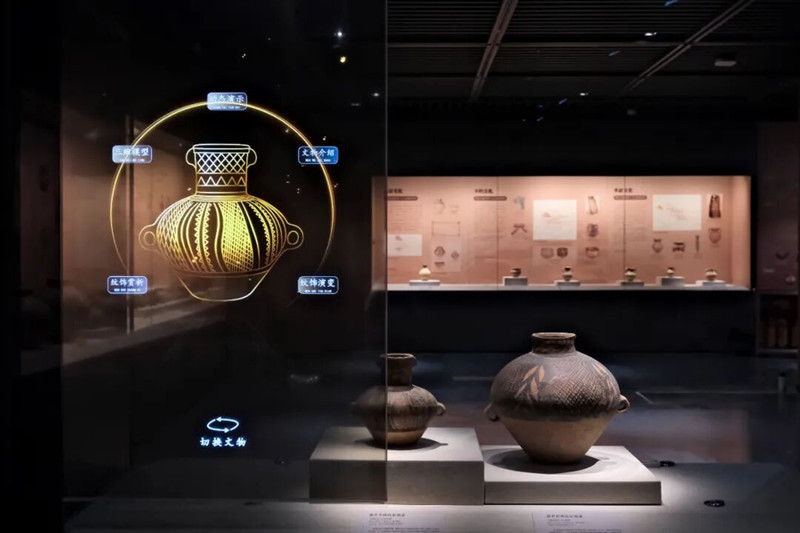
The “Starry Splendor on Clay” exhibition. Photos from Shenzhen Museum


